
THE CHALLENGE
Seven years after cannabis legalization in Canada, edibles have become socially normalized, discreet, and widely accessible. But because their effects are delayed, many people underestimate their impact and assume they’re fine to drive, only to discover the high kicks in after they’re already behind the wheel. Traditional anti-impaired-driving campaigns focus on shock or fear, which no longer resonate with today’s cannabis users. CAA needed a modern approach to communicate that even mild edible consumption can impair coordination and make driving unsafe.
THE INSIGHT AND STRATEGY
If you’ve ever tried an edible, you know how quickly simple tasks can start to feel impossible. Tying your shoes, reaching for a snack, or answering the door can become little challenges that somehow feel huge. People often assume a few gummies won’t affect them, but impairment shows up in these everyday moments before anyone even notices. So our strategy was to take these relatable, sometimes funny experiences and make them the heart of the campaign, turning a serious safety message into something real, human, and shareable that encourages Canadians to plan ahead.
THE CREATIVE IDEA
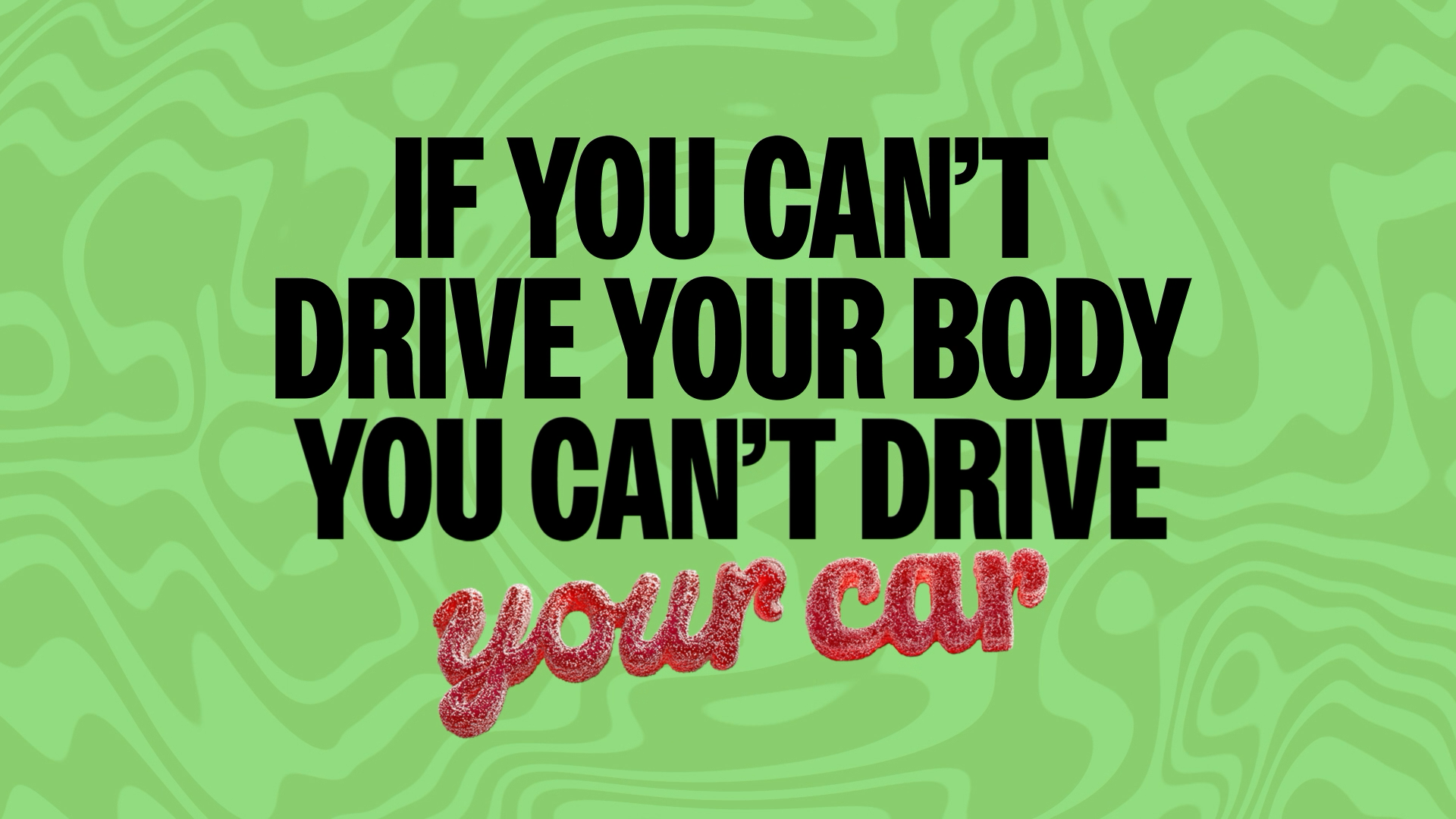
The idea functions as a self-administered sobriety test: if you can’t drive your body, you can’t drive your car.
It reframes impaired-driving awareness through small, universally recognizable moments of fumbling and confusion after taking edibles. By highlighting these relatable scenarios with lighthearted humour, the idea connects directly with Canadians’ lived experiences while delivering a serious, actionable reminder to plan ahead when consuming edibles.
THE EXECUTION
The campaign launched nationally across TV, digital video, and social platforms in both English and French. It includes two 30-second spots (“Shoelace” and “Candy”) and one 15-second spot (“Doorbell”), each depicting people struggling with simple tasks after consuming edibles. The spots then conclude by showing safe alternatives: arranging a ride home or staying over at a friend’s house. By grounding the campaign in real human behaviour, CAA transformed an essential public safety message into something culturally smart, relatable, and genuinely shareable, proving that truth and humour can cut through where fear cannot.